

 WoW Midnight
 The Burning Crusade
 Mists of Pandaria
 WoW Classic Era
 Path of Exile 2
 Path of Exile 1
 Diablo 4
 Diablo 2
 Arc Raiders
 Destiny 2
 Where Winds Meet
 Final Fantasy XIV
 Last Epoch
 Dune Awakening
 Counter Strike 2
 League of Legends
 Valorant
 Monster Hunter Wilds
 Marvel Rivals
 Once Human
 New World
Clear Outlines on Cone and Line Attacks – Upcoming Changes to Midnight Season 2 Mythic+ Dungeons

INTRODUCTION
Blizzard has finally pulled back the curtain on one of the biggest design conversations surrounding World of Warcraft: Midnight Season 2: how the Mythic+ dungeon pool is being built, why certain returning dungeons were chosen, and what the team is doing to reduce some of the most frustrating pain points players ran into in previous seasons. Rather than simply publishing a short tuning pass, Blizzard released a broad design overview that explains how Season 2 dungeons are being selected, how each dungeon is reviewed internally, and what kinds of gameplay pressures they want Mythic+ to create going forward.
The most eye-catching change is the introduction of clearer precast visuals for cone and line attacks, a long-requested quality-of-life update aimed at making dangerous mechanics easier to read in the heat of combat. But the visual overhaul is only one piece of the picture. Blizzard is also making structural changes to dungeon pacing, reducing roleplay downtime, reworking trash pulls, adjusting boss mechanics that punished pickup groups too harshly, and trying to redistribute Mythic+ difficulty so success depends more evenly on the whole group rather than disproportionately on tanks and healers.
For players planning their Season 2 routes, key pushes, and weekly farming, these updates matter a lot. Some dungeons are being lightly polished, while others are receiving significant mechanical changes that could alter routing, cooldown planning, interrupt priorities, and even which pulls are considered the most dangerous. Taken together, these changes suggest Blizzard wants Midnight Season 2 Mythic+ to feel more readable, more consistent, and more demanding of smart group play rather than pure survival triage.
What Is Blizzard Changing in Midnight Season 2 Mythic+?
At a high level, Blizzard’s Season 2 Mythic+ plan focuses on three major goals.
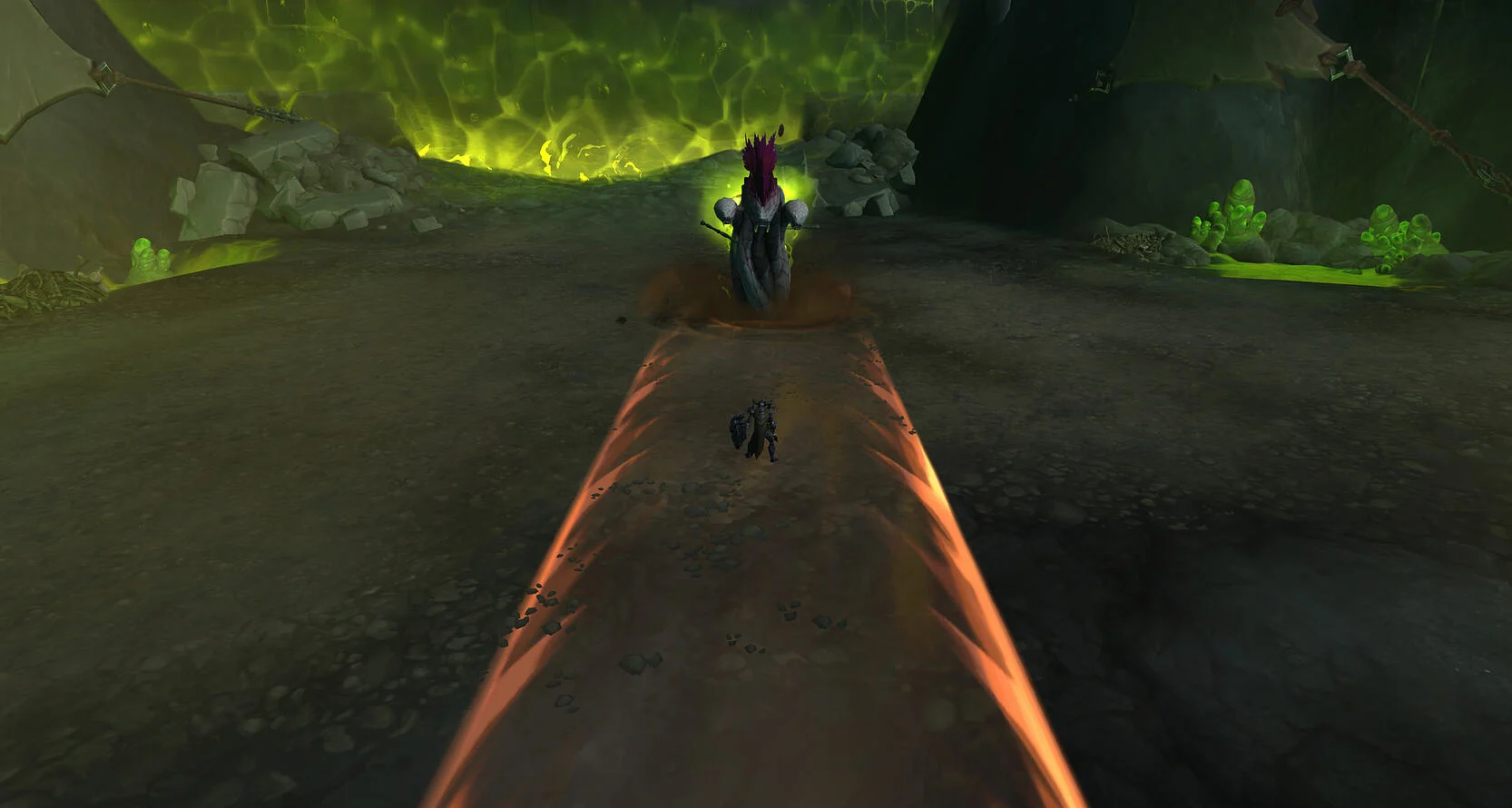
The first is better dungeon readability. Many older dungeons and even some modern encounters have used inconsistent visual language for frontal attacks, line blasts, and directional boss mechanics. In fast-paced Mythic+ runs, that inconsistency can turn avoidable damage into confusion, especially for players learning a dungeon for the first time or dealing with overlapping effects in large pulls. Blizzard is now standardizing cone and line telegraphs so they look and behave more like the circular ground effects players are already trained to read.
The second goal is redistributing difficulty across the group. Blizzard explicitly says that in Midnight Season 1, tanks and healers often carried too much of the burden when things went wrong. In Season 2, the team wants damage dealers to matter more to the success of a key, not just through raw numbers on the meter, but through target prioritization, damage checks, cooldown usage, and the ability to deal with mechanics that reduce mobility or damage output rather than simply spiking the group with unavoidable damage. To support that, enemy health pools are being nudged upward, while some abilities are being redesigned to trade raw damage for output penalties and positional pressure.
The third goal is making each dungeon feel distinct without letting its worst pain points define the experience. Blizzard says every dungeon in the pool goes through a “full creature review,” which includes health, damage, cast frequency, enemy placement, ability packages, and how a pull contributes to the dungeon as a whole. The intention is not to make every dungeon feel the same, but to ensure each one has a coherent challenge profile and doesn’t become miserable because of one overstuffed gauntlet, one badly tuned boss, or one trash section overloaded with interrupts.
Why Clearer Cone and Line Attacks Matter So Much
One of the smartest changes in this PTR update is also one of the simplest. Blizzard is introducing standardized precast visuals for cone and line abilities so players can immediately tell where an attack will land before it fires. That may sound like a minor cosmetic adjustment, but in Mythic+ it can have a huge gameplay impact.
Historically, frontal cones, dragon breaths, beam attacks, and directional boss abilities have not always shared the same visual language. Some had faint indicators, some had none at all, and some relied more on boss animation than on clear telegraphing. That created a weird knowledge gap where veteran players knew which attacks were dangerous because they had seen them before, while newer or returning players often got clipped by mechanics they technically could have avoided if the game had communicated them better.
Blizzard’s new system aims to fix that by making cone and line attacks resemble the same readable style used by circular ground-targeted effects. Stationary cones will now be visibly filled in so players can see the affected space at a glance. Tracking cone or line attacks will use an edge-only version of the visual and place an arrow above the targeted player’s head, making it much easier to understand when an enemy is about to follow someone with a frontal cast. Blizzard specifically cites Vaelgor’s Dread Breath in Voidspire as an example of the kind of ability that would use this treatment.
This matters because visual clarity is one of the fairest forms of difficulty tuning. It doesn’t make a mechanic trivial, but it makes failure feel earned rather than arbitrary. If a player dies to a clearly telegraphed cone, that’s a mistake they can learn from. If they die because the dungeon never clearly showed the attack’s footprint in the first place, that tends to feel frustrating rather than challenging. For Mythic+, where one death can cost time, cooldown alignment, and momentum, those distinctions matter a lot.
How Blizzard Says It Chooses Mythic+ Dungeons Each Season
Blizzard also used this post to explain the philosophy behind building a seasonal Mythic+ pool, which is interesting because it helps frame why certain dungeons are coming back now.
According to the developers, the first thing they look at is theme. Some dungeons are chosen because they connect directly to the current expansion narrative or to characters who matter in the patch’s broader story. Blizzard specifically points to Seat of the Triumvirate as an example, noting that with L’ura threatening the Sunwell in March on Quel’Danas, it felt like a good moment to bring that character back and revisit the beginning of her relationship with Alleria. Other dungeons are selected because they share thematic overlap with the season even if they are not directly tied to the main storyline.
From there, Blizzard looks at the shape of the full pool. The goal is for each dungeon to bring something unique in terms of theme, pacing, layout, mechanical identity, or visual style, so that the season doesn’t feel repetitive from key to key. In other words, they do not want eight dungeons that all ask for the same kind of pulls, the same kind of interrupts, or the same kind of routing logic. That is also part of why legacy dungeons keep returning alongside new expansion dungeons: they can change the rhythm of the season and stop the whole pool from feeling tonally flat.
Once a dungeon is selected, Blizzard says it becomes a commitment. The team then has to revisit feedback from its previous appearances, test how it plays in the current environment, and decide whether it needs minor tuning, structural pacing fixes, or a more substantial rework. That is the context for the long list of dungeon-by-dungeon updates below.
Is Blizzard Actually Fixing the Biggest Mythic+ Frustrations?
Based on this PTR preview, the answer looks like yes, at least in principle. The most encouraging part of the update is not any single numerical nerf, but the fact that Blizzard seems to be targeting the types of friction that make Mythic+ feel exhausting rather than satisfying.
Several of the recurring problem categories show up repeatedly in Blizzard’s notes:
- Too much roleplay downtime
- Overloaded caster pulls
- Boss mechanics that punish pickup groups too harshly
- Abilities that scale badly into high keys
- Confusing visuals or outdated encounter design
- Trash packs that create too much clutter, chaos, or unavoidable damage
- Dungeon flow problems caused by long gauntlets or awkward routing
Those are exactly the sorts of issues that can make a dungeon unpopular even when its rewards are good. A dungeon can be technically balanced and still feel awful if players spend too much time waiting through RP, dealing with redundant caster mobs, or wiping to mechanics that are hard to parse in random groups. Blizzard’s notes suggest the team understands that Mythic+ difficulty has to feel clean, not just hard.
That said, whether the changes fully solve those problems will depend on tuning and implementation once the dungeons are actually in players’ hands. Some of these adjustments are straightforward quality-of-life wins, while others—like reworked boss kits and altered trash composition—could have knock-on effects that won’t be obvious until the community starts routing and pushing keys in earnest.
Murder Row Changes in Midnight Season 2
Murder Row is getting a cleanup focused mainly on pacing and caster overload.
Blizzard identified the cantina event as a likely Mythic+ pain point during testing, especially because event-style mechanics can become frustrating when they slow the pace of a timed run. To address that, the event now grants more progress for successful task execution, penalizes failure less severely, and removes job switching entirely. That should make the event feel less punishing and less likely to derail momentum when a group is trying to stay on pace.
The dungeon is also getting trash cleanup after Zaen Bladesorrow. Blizzard is reducing the number of caster enemies and removing some casted abilities from Corrupted Warlocks, Trained Fel Hunters, and Felcaster Neophytes. That likely means fewer overlapping interrupts and less clutter in a section that could otherwise become oppressive at higher key levels. For groups that dislike trash gauntlets full of nonstop spellcasting, this is one of the cleaner sets of adjustments in the Season 2 pool.
Den of Nalorakk Changes in Midnight Season 2
Den of Nalorakk looks like a dungeon Blizzard is trying to smooth out rather than reinvent.
One of the biggest complaints from the Midnight preseason was the gauntlet before Sentinel of Winter, which apparently felt frustrating both in pacing and navigation. Blizzard is adjusting the flow and effects of that winter gauntlet to make it easier to move through, while also shortening some of the dungeon’s roleplay sequences so the run doesn’t lose momentum between combat segments.
The more important mechanical change is to Sentinel of Winter’s Eternal Winter, which will no longer grant an absorb shield and instead channels for a fixed duration. That sounds like a meaningful high-key adjustment, because absorb-based boss mechanics can become disproportionately punishing as scaling increases. Blizzard is also toning down a few other pressure points by giving Avatar of Starvation’s Starvation Effigy a 5-second cast time before applying its health debuff and by removing the stun from Avatar of Determination’s Pulverize. Those are not flashy reworks, but they are exactly the sort of changes that can make a dungeon feel less unfair without stripping away its identity.
The Blinding Vale Changes in Midnight Season 2
The Blinding Vale seems to be getting targeted help for players who run keys in pickup groups rather than in coordinated teams.
Blizzard specifically calls out boss mechanics that disproportionately punish pugs, especially in the Ikuzz the Light Hunter and Ziekket encounters. That alone is revealing, because it suggests the team is paying attention not just to top-end coordinated play, but to how dungeons feel for the majority of players who are assembling groups through the Mythic+ ecosystem rather than pushing with a fixed roster.
To address those issues, Blizzard is reducing the number of Bloodthorn Roots summoned by Ikuzz, lowering the health of Lightspawn Lashers in Ziekket’s fight, and fixing an issue that could cause players to unfairly fail Lightbloom’s Essence. On the trash side, spawn composition is being updated to reduce the number of casters in a single pack. That last point may be the most meaningful one over the long term, because caster density is one of the easiest ways for a dungeon to become miserable in repeated weekly play.
Voidscar Arena Changes in Midnight Season 2
Voidscar Arena is one of the more interesting entries in the pool because Blizzard is not just tuning numbers—it is actively reshaping how players move through the dungeon.
The area before the first boss is being reorganized so that the left side is melee-focused and the right side is caster-focused, with each side containing a miniboss that grants a unique stat buff. That sounds like a direct attempt to make routing more intentional and to give groups real decisions rather than just a generic trash clear.
Boss encounters are also getting more attention here than in some other dungeons. Taz’Rah is being reworked with a new set of abilities, Watchful Harrowers are getting new mechanics and greater contribution to enemy forces, and the section before Charonus is being redesigned with new Domanaar lieutenants replacing the previous miniboss setup. Blizzard is also adjusting Charonus’ mechanics so they interact more cleanly with each other. Altogether, Voidscar Arena looks less like a simple tuning pass and more like a dungeon Blizzard wants to elevate into one of the season’s signature keys.
Kings’ Rest Changes in Midnight Season 2
If you have any history with Kings’ Rest, Blizzard’s notes here will probably sound very familiar. This is a dungeon that has always had strong atmosphere but also several structural problems that make it awkward in Mythic+.
The developers identify three major issues: Shadow of Zul’s scaling damage, too much downtime from roleplay and lack of checkpoints, and the weekly variance created by Council of Tribes boss order. Those are exactly the kinds of problems that can make a dungeon feel inconsistent week to week and overly punishing at high key levels.
Season 2 addresses those problems in a few notable ways. Roleplay sequences are being shortened, which should help with overall flow. Council of Tribes is being moved to a fixed sequence—Kula the Butcher, then Aka’alil the Conqueror, then Zanazal the Wise—which removes the weekly variance that could cause some combinations to feel worse than others. Shadow of Zul is being updated to fit modern Mythic+ standards, and Dazar, The First King is getting a full new set of abilities. That last change is especially important because Dazar is one of those bosses that can define how players remember a dungeon. If the rework lands well, Kings’ Rest could go from being a nostalgic but dreaded return to one of the more stable legacy dungeons in the pool.
Temple of Sethraliss Changes in Midnight Season 2
Temple of Sethraliss may be the dungeon receiving the most substantial mechanical cleanup of the bunch.
Blizzard describes a long list of issues here: subtle and inconsistent boss mechanics, downtime during Merektha’s Burrow, bugs and flow problems in the final gauntlet, and a final boss encounter that leaned too heavily on the healer while giving other roles too little to do. That is essentially a checklist of why old dungeons can age badly in Mythic+ if they are brought forward without serious revision.
The fixes are extensive. Adderis and Aspix will now swap shields based on a health threshold, and their shields provide damage resistance instead of punishing attackers directly. Merektha is being reworked so Burrow ends after the adds are defeated rather than on a timer, which should cut dead time and make the phase feel more interactive. The gauntlet before the last boss is being reworked to remove the awkward “timeout” gameplay of parking a player on orb duty, and the final encounter itself is being redesigned so more of the group participates in healing the Avatar of Sethraliss rather than placing the entire burden on one role. Even Cheap Shot from Shrouded Fangs is being adjusted to allow more counterplay.
Taken together, Temple of Sethraliss feels like a dungeon Blizzard knew it could not just lightly tune. It needed a philosophical refresh to fit modern Mythic+ expectations, and these notes suggest that is exactly what it is getting.
Ruby Life Pools Changes in Midnight Season 2
Ruby Life Pools is a dungeon with a reputation for chaos, and Blizzard’s notes show they understand why.
The first section in particular had too many cramped pulls, too much rapid casting, and too many opportunities for mistakes to snowball into disaster. Flying patrols like Thunderhead and Flamegullet also created visibility and pathing problems that could make route planning awkward, especially in the middle of an already hectic run.
Blizzard’s response is broad rather than surgical. Some trash packs are being removed from the opening section entirely. Flashfrost Earthshaper’s Tectonic Slam is being reworked to reduce cast bar clutter and bursty group damage. Melidrussa Chillworn is being slowed down mechanically, with reduced movement forces and a less frantic ability cadence. Thunderhead and Flamegullet are moving to ground patrols, which should make them much easier to read and plan around. Blizzard is also cleaning up boss mechanics by removing Infernocore from Kyrakka’s Flaming Embers and making Kokia Blazehoof’s Ritual of Blazebinding mark the targeted player before the cast begins.
This looks like an effort to keep Ruby Life Pools dangerous without letting it feel like a visual and mechanical pileup. If those changes land well, the dungeon may still be demanding, but hopefully in a way that feels more deliberate than chaotic.
Why Blizzard Is Putting More Pressure on DPS in Season 2
One of the most important takeaways from Blizzard’s post has nothing to do with any individual dungeon. It is the broader statement that DPS players are meant to carry more of the burden in Midnight Season 2 Mythic+.
That does not mean tanks and healers suddenly have an easy job. Blizzard is very clear that those roles will still have plenty to manage. But the team wants success or failure to depend more heavily on whether damage dealers are making the right target decisions, handling priority mobs correctly, timing cooldowns well, and responding to mechanics that can disrupt damage output or mobility.
In practice, that could have a few major consequences:
- Pulls may live longer, which increases the value of clean execution and cooldown planning.
- Priority target damage may matter more than raw overall DPS padding.
- Mechanics that reduce mobility or output could become just as dangerous as mechanics that deal heavy damage.
- Group composition discussions may shift slightly toward utility and control rather than only survivability.
- Mistakes by DPS players may be more directly reflected in whether a key is timed.
If Blizzard gets the balance right, that could make Mythic+ feel healthier overall because it spreads responsibility more evenly. If they get it wrong, it could make dungeons feel spongey or overly dependent on damage checks. That is going to be one of the biggest things to watch as Season 2 PTR testing continues.
Is This a Good Direction for Midnight Mythic+?
On paper, yes. This is one of the more thoughtful Mythic+ communication posts Blizzard has put out in a while because it does not just list hotfix-style bullet points—it actually explains the why behind the changes.
The clearer telegraphs for cone and line attacks are an easy win. Shorter roleplay sequences and reduced caster overload are also the kind of changes almost everyone will appreciate. The more interesting part is the role rebalance. Blizzard seems to be trying to preserve dungeon difficulty while moving away from the model where tanks and healers are constantly firefighting the consequences of every mistake. If that results in more meaningful target prioritization and better encounter readability without turning keys into slow health-sponge marathons, it could make Midnight Season 2 one of the more enjoyable Mythic+ seasons in recent memory.
There is still reason for caution. Reworked bosses, altered routing, and changed trash composition can have unintended side effects, and PTR impressions do not always match live reality once affixes, tuning, and real player behavior enter the picture. But as a design statement, this is encouraging. Blizzard is not pretending every old dungeon just needs a number tweak. It is acknowledging that dungeon feel, visual communication, role pressure, and pacing all matter just as much as raw damage values.
FAQ
What is the biggest Mythic+ change in Midnight Season 2?
The headline change is Blizzard’s new clearer precast visuals for cone and line attacks, designed to make dangerous directional mechanics easier to read and react to during dungeon pulls and boss fights.
Why is Blizzard changing cone and line visuals?
Because directional attacks across different dungeons have used inconsistent visual language for years. Blizzard wants Mythic+ mechanics to be easier to read at a glance, especially for attacks like breaths, lasers, and frontal cones.
Is Blizzard making Midnight Season 2 easier?
Not necessarily. Blizzard says the overall difficulty target is similar to Season 1, but the way that difficulty is distributed is changing. Tanks and healers should carry slightly less of the burden, while DPS players will be more responsible for target prioritization, damage checks, and clean execution.
Which dungeons are getting major updates?
The Season 2 preview specifically highlights Murder Row, Den of Nalorakk, The Blinding Vale, Voidscar Arena, Kings’ Rest, Temple of Sethraliss, and Ruby Life Pools.
Is Temple of Sethraliss getting a full rework?
Not a full dungeon rebuild, but it is receiving some of the biggest changes in the pool, including updates to Adderis and Aspix, Merektha, the final gauntlet, the final boss encounter, and several trash mechanics.
What is changing in Kings’ Rest?
Kings’ Rest is getting faster RP pacing, a fixed Council of Tribes boss order, adjustments to Shadow of Zul, and a reworked Dazar, The First King encounter.
CONCLUSION
Blizzard’s Midnight Season 2 Mythic+ preview is more than just a PTR patch note dump. It is a clear sign that the team is trying to refine not only the balance of the dungeon pool, but the feel of Mythic+ as a whole. Cleaner telegraphs, fewer miserable caster stacks, shorter roleplay downtime, more consistent boss mechanics, and a more even spread of responsibility across all five players all point toward a season designed to be demanding without being needlessly exhausting.
Whether every individual change lands perfectly remains to be seen, but the direction itself is promising. If Blizzard follows through on these goals, Midnight Season 2 could end up feeling less like a season built around surviving inherited dungeon baggage and more like one built around mastering a cleaner, more deliberate version of Mythic+. For Mythic+ players, that is exactly the kind of foundation worth paying attention to.